Home/Blog/Ice Dams on Your Roof: What Causes Them and How to Prevent Them in Pittsburgh
Ice Dams on Your Roof: What Causes Them and How to Prevent Them in Pittsburgh
If you've lived through a few Pittsburgh winters, you know the pattern. Snow, a couple of sunny afternoons, a hard freeze overnight. A thick band of ice builds along the eaves, icicles hang off the gutters, and a week later there's a brown ring on the bedroom ceiling.
That band of ice is an ice dam. It’s one of the most common reasons roofs in western Pennsylvania leak between December and March, and it’s one of the most misunderstood.
Most homeowners assume the problem is on the roof. As roofers, we look in the attic first, because that’s almost always where it starts. Here’s what an ice dam is, why it forms, how we deal with one safely, and what it takes to keep them from coming back.
What Is an Ice Dam on a Roof?
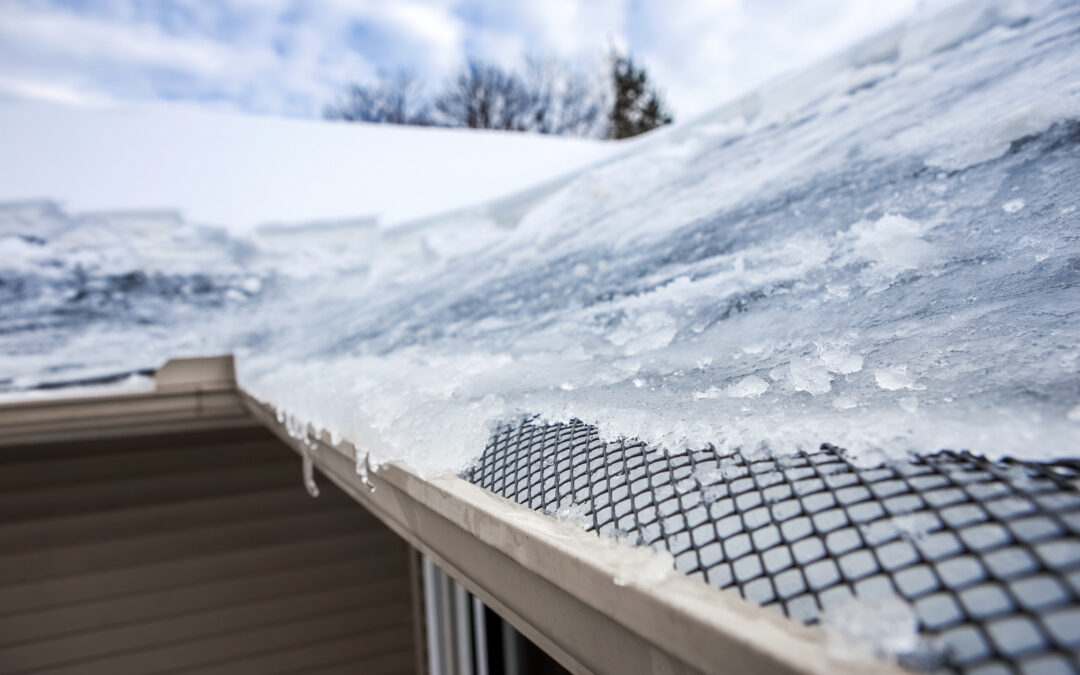
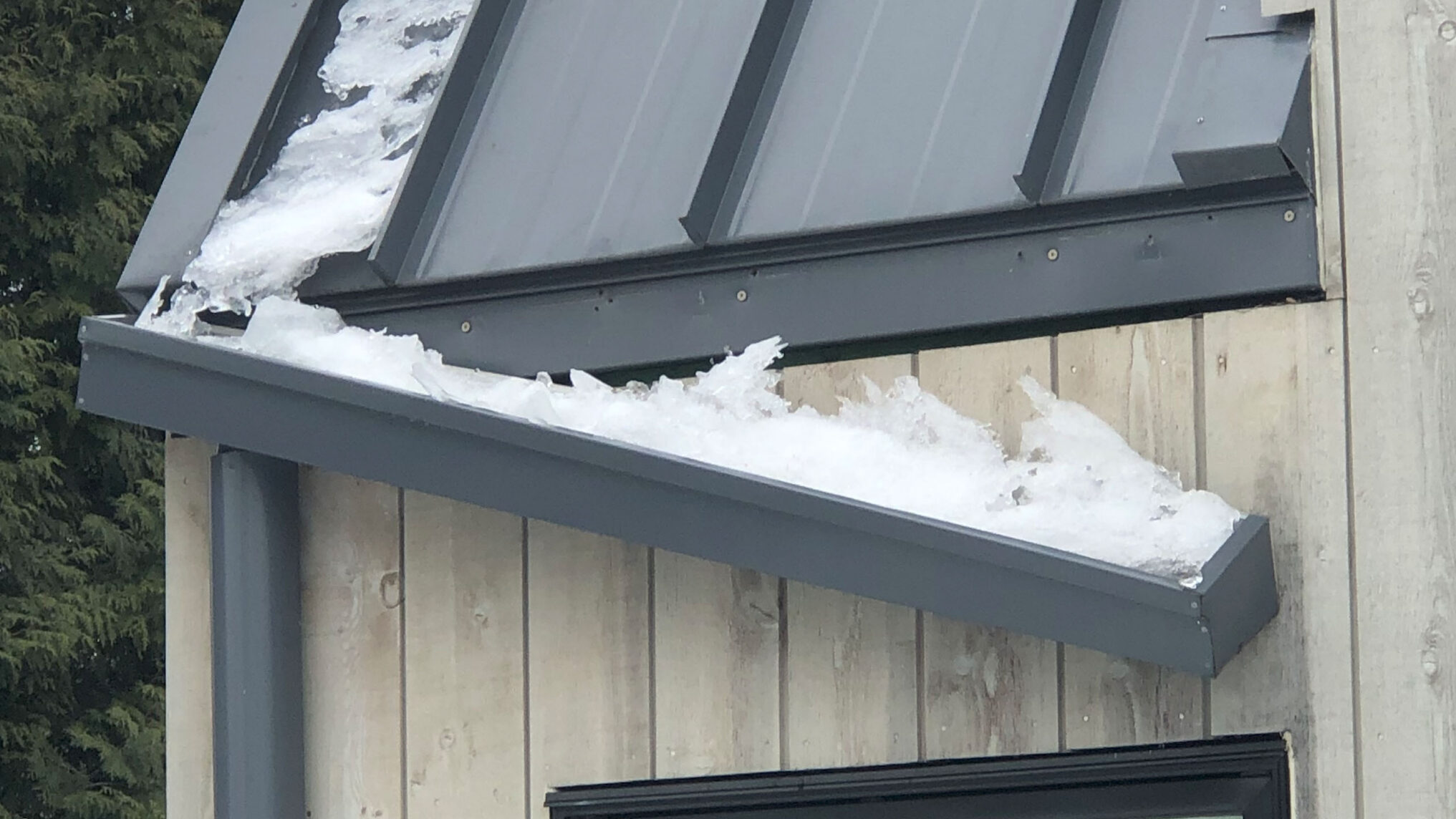
An ice dam is a ridge of ice that forms along the lower edge of the roof, just above the gutters. Snow on the upper roof melts, the water runs down the slope, and it refreezes when it reaches the colder eave.
Once that ridge is in place, it holds water back. The next round of meltwater pools behind it. Shingles are designed to shed water running downhill. They are not designed to hold back standing water. So that water backs up under the shingle courses, gets past the underlayment, and soaks into the roof deck, the attic insulation, and eventually the drywall.
A few icicles on their own aren’t a concern. A heavy fringe of icicles together with a thick ice ridge at the eaves is what we tell homeowners to watch for.
What Causes Ice Dams?
Three conditions have to happen at the same time:
Snow on the roof
An upper roof deck warm enough to melt it
An eave cold enough to refreeze the water
The cold eave is just winter. The warm upper deck is the part you can control, and it’s almost always caused by heat escaping from the living space into the attic. Warm air rises through gaps around recessed lights, the attic hatch, plumbing stacks, wiring penetrations and bath fans. It warms the underside of the roof sheathing and melts the snow from below. The overhang sits outside the heated envelope of the house, so it stays below freezing. That’s where the ice builds.
These conditions make it worse:
Thin or uneven attic insulation. Heat moves through it and straight into the deck.
Air leaks from the rooms below. Warm air goes around insulation, not through it. Deep insulation won’t help if the bypasses are open.
Poor attic ventilation. Without intake at the soffits and exhaust at the ridge, warm, moist air sits under the roof deck.
Clogged gutters. Debris holds water at the eave and gives ice a base to build on. In Pittsburgh, we recommend cleaning them twice a year.
Complex roof lines. Valleys, dormers and low-slope tie-ins collect snow and meltwater.
Pittsburgh winters cross the freezing line again and again, sometimes in the same day. Every one of those swings is another melt-and-refreeze cycle at the eaves.
How Ice Dams Damage Your Roof and Home
The damage usually shows up after the ice is gone. After a hard winter, these are the things we check for, and the ones you can check yourself:
Water stains or peeling paint on ceilings and walls along exterior walls
Damp, compressed attic insulation
Frost or dark staining on the underside of the roof sheathing
Lifted, cracked or missing shingles along the eaves
Gutters pulling away from the fascia under the weight of the ice
Soft or rotting fascia and soffit boards
A musty smell in the attic or upstairs rooms
Ice dams also shorten the life of the roof itself. Water that sits under the shingles winter after winter breaks down the underlayment and the decking beneath it. We cover that in more detail in how long a roof lasts in Pittsburgh.
How to Get Rid of Ice Dams Safely
If you already have an ice dam, the goal is to give the trapped water a way out without damaging the roof or putting anyone at risk.
What we recommend:
Rake the snow off the lower roof. A long-handled roof rake, used from the ground, takes the snow off the first few feet above the eaves. Less snow above the dam means less meltwater feeding it.
Open a drainage channel with calcium chloride. Fill a nylon stocking with calcium chloride ice melt and lay it across the ice dam so one end hangs past the edge. It slowly melts a path for the water to drain.
Have it steamed off. Professional crews use low-pressure steam, which melts the ice without tearing shingles or bending gutters.
What we don’t recommend:
Chipping at the ice with a hammer, axe or shovel. You’ll break shingles and gutters long before you break the ice.
Rock salt. Sodium chloride can damage shingles, corrode flashing and gutters, and kill the plants below.
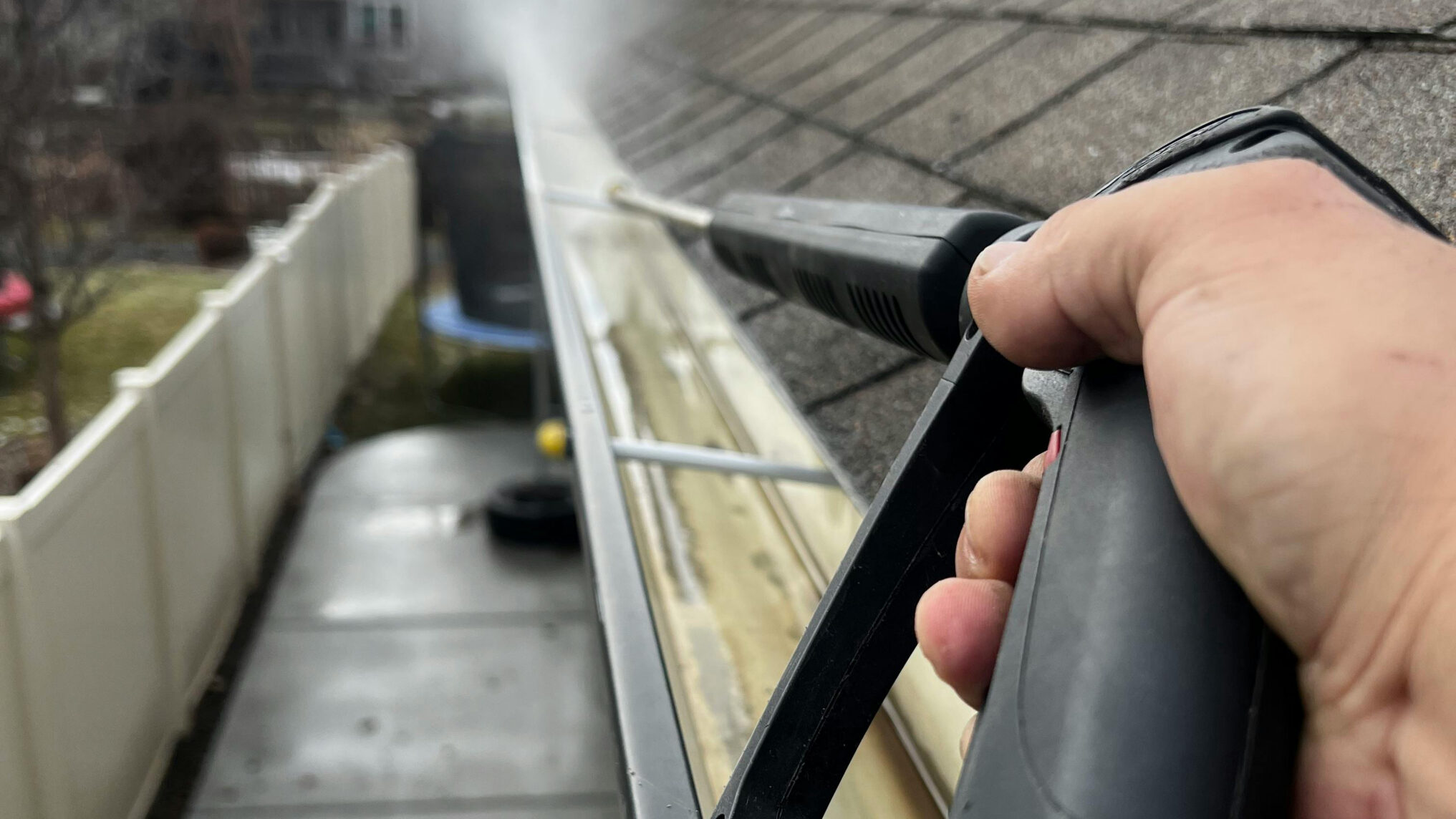
Pressure washers and torches. Both damage the roof surface.
Climbing an icy ladder or roof. Winter rooftop work takes proper safety equipment. Leave it to a crew that has it.
Clearing the ice stops this week’s leak. It doesn’t change why the dam formed. Once the weather allows, fix the cause.
How to Prevent Ice Dams on Your Roof
The principle is simple: keep the entire roof deck cold, so snow doesn’t melt on top and freeze at the bottom. Here’s the order we recommend, starting with what makes the biggest difference.
1. Seal Attic Air Leaks
We always start with air sealing, because air leaks are usually the main way heat reaches the roof. The common leak points:
Recessed ceiling lights
The attic hatch or pull-down stairs
Gaps around plumbing vents, the chimney chase and wiring
The top plates of interior walls
Bathroom and kitchen fans that dump into the attic instead of venting outside
2. Add Attic Insulation
With the bypasses sealed, the insulation needs to be deep and even across the attic floor. For cold climates like Pittsburgh’s, the U.S. Department of Energy recommends R-49 when you’re adding to an attic that already has a few inches, and R-60 for an attic with none. Many older homes in Bridgeville, Carnegie and the South Hills fall well short of that.
3. Balance Attic Ventilation
A properly vented attic draws cold outside air in at the soffits and lets it out at the ridge. That airflow keeps the deck close to the outdoor temperature. The problems we look for: soffit vents buried under insulation, missing baffles, and mixed exhaust types, like ridge vents combined with gable vents or box vents, that short-circuit the airflow.
4. Install Ice and Water Shield at the Eaves
Ice and water shield is a self-adhering waterproof membrane installed under the shingles along the eaves, in the valleys and around penetrations. It doesn’t stop an ice dam from forming. It keeps the water out of the house when one does. The International Residential Code calls for an ice barrier at the eaves in areas with a history of ice dams, and we recommend it on every roof replacement in this climate. If you’re getting quotes, make sure it’s in writing in the scope.
5. Keep Gutters and Downspouts Clear
Clear gutters let meltwater leave the roof instead of freezing in the trough. Clean them in late fall once the leaves are down, and make sure downspouts discharge well away from the foundation.
6. Think Twice About Heat Cables
Heat cables run in a zigzag along the eaves can keep a drainage path open. They also draw power all winter, do nothing about the heat escaping into the attic, and home inspectors note they rarely solve the problem on their own. We treat them as a last resort for a specific trouble spot that can’t be corrected any other way.
Do Gutter Guards Cause Ice Dams?
Ice dams form on the roof, not in the gutter, and the cause is heat loss into the attic. In very cold weather, guards can carry a layer of snow or ice on top, but they don’t create ice dams.
Quality gutter guards actually help, because clogged gutters give ice something to build on and guards keep the debris out. But we’re direct with homeowners about this: guards are one part of the system. The fix that lasts is attic insulation and ventilation.
When to Call a Roofer
Call a professional if you see:
Water coming through a ceiling, wall or light fixture
Ice dams forming in the same spot every winter
Heavy ice on a steep or two-story roof
Sagging gutters or fascia pulling away from the house
Stains or soft spots in the attic after the thaw
If water is already coming in, get the leak stopped first. Once the snow clears, schedule a free roof inspection. We check the shingles, flashing, gutters, soffits and the accessible attic space, which is where ice dams usually start, and give you a written list of what to fix before next winter.
FAQ About Ice Dams
Are ice dams covered by homeowners insurance?
It depends on the policy. Some cover sudden interior water damage from an ice dam but not the roof repair or long-term wear. Read your policy, and photograph the damage before anything gets cleaned up.
Can ice dams form on a new roof?
Yes. A new roof doesn’t change what’s happening in the attic. If the attic is warm, ice dams can form on any roof. What a properly installed new roof does is limit the damage, because the ice and water shield keeps the water out.
Why do I get ice dams when my gutters are clean?
Because the main cause is heat loss from the house. If snow is melting on the upper roof while the eaves stay frozen, the fix is in the attic.
What’s the fastest way to remove an ice dam?
Professional steam removal is the fastest safe option. As a stopgap, rake the snow off the lower roof and use calcium chloride to open a channel.
Is frost in my attic related to ice dams?
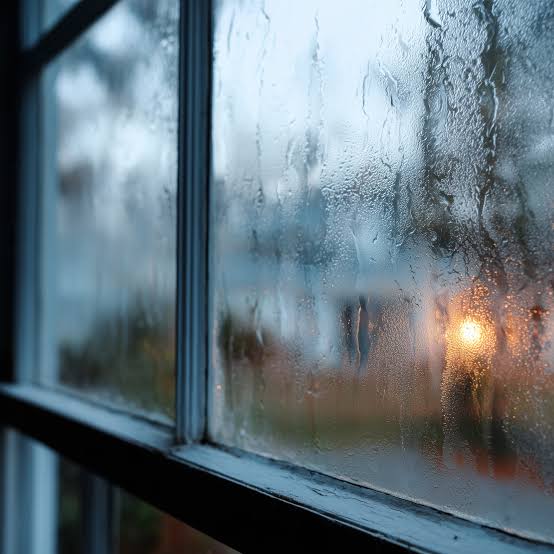
Usually, yes. Frost on the underside of the roof deck means warm, moist air from the house is getting into the attic. That’s the same air that melts the snow on your roof. The same excess moisture often shows up as condensation on the inside of your windows.
Stop Ice Dams Before Next Winter
An ice dam is a symptom. It tells you heat is getting into the attic and warming the roof unevenly. Seal the air leaks, bring the insulation and ventilation up to standard, keep the gutters clear and protect the eaves. That combination is what stops ice dams long term, not a hammer or a bag of salt.
If you’re in Bridgeville or anywhere in greater Pittsburgh and your roof ices up every year, book a free exterior inspection. We’ll find where the heat is getting out and give you a written, itemized estimate at no cost and no obligation.
Get the exterior work your home needs without putting everything on pause. We offer flexible
financing options for roofing, siding, windows, and gutters ? with clear terms, fast eligibility
checks, and support from estimate to installation.
Quick eligibility check with straightforward next steps.
Transparent pricing, timelines, and no surprise add-ons.
Options for repairs, upgrades, and full replacements.
Cover leaks, storm damage, or failing materials without delaying the fix. Get an estimate first, then choose a plan that protects your home while work gets done.
Upgrade Options
Invest in upgrades that boost curb appeal, efficiency, and durability. Pick an option that fits your budget, and we'll recommend materials built for your climate.
Replacement Scope
Planning a full roof, siding, windows, or gutters? Spread the cost over time with clear terms, so you can move forward now and avoid bigger issues later.
0% INTEREST & NO PAYMENTS
Projects get a promotional period with zero interest and no payments due. Ask us about available offers when we give you your estimate.
CONTACT US
LET'S TALK ABOUT YOUR PROJECT
Tell us what you need, and our team will get back to you with clear next steps, honest guidance, and fast support.