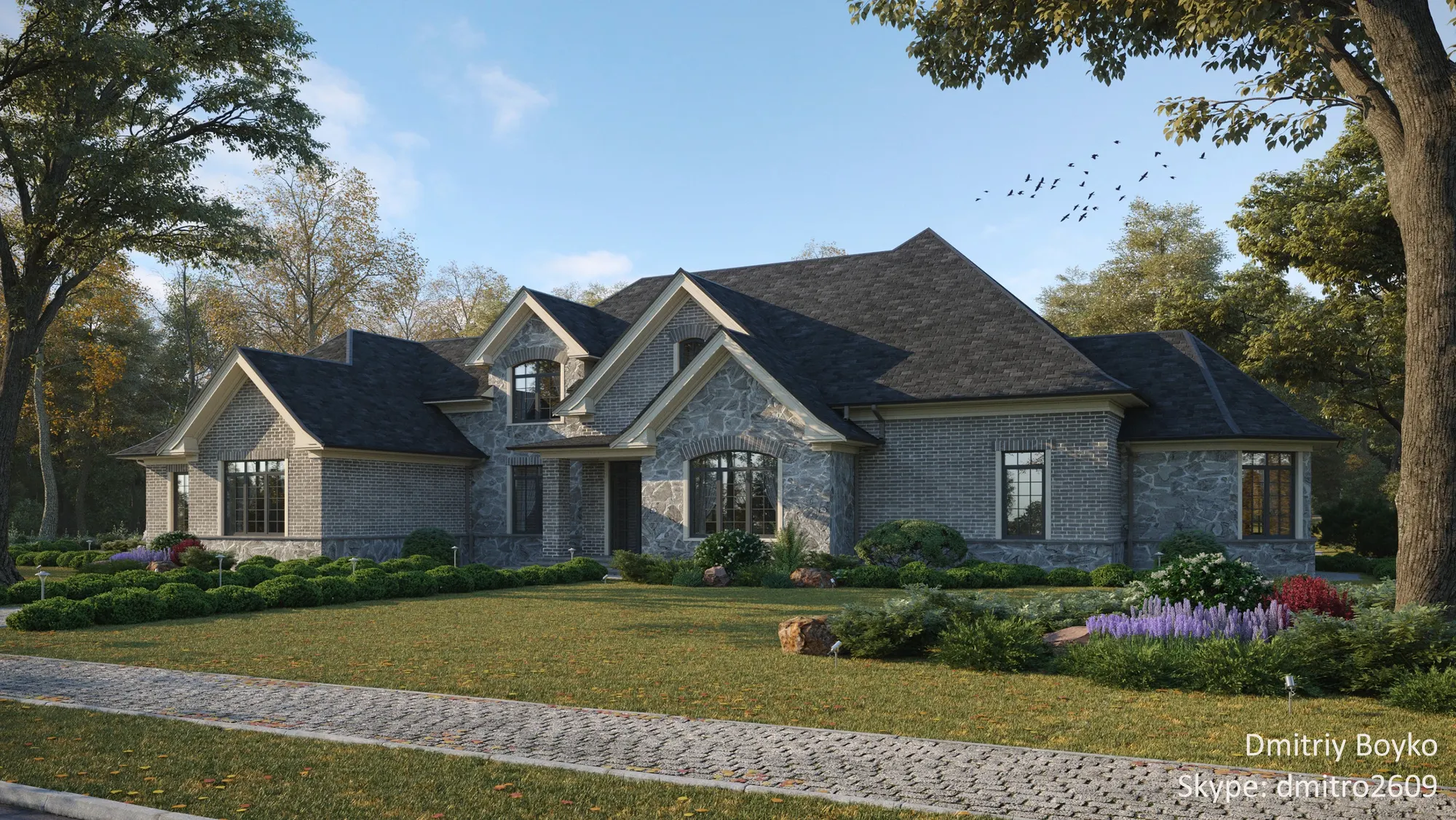
Stone veneer siding adds real curb appeal and visual weight to Pittsburgh homes without the structural demands and cost of full-thickness masonry.
Our Stone Veneer Siding Approach
Manufactured stone veneer adds real visual weight and curb appeal without the structural demands and cost of natural stone masonry. We install stone veneer over proper substrate with correct lath, drainage mat, and flashing details — the steps that determine whether veneer stays solid for 30 years or starts failing in 5 as moisture works behind it. Every installation is done by our own crew and backed with a written warranty covering both materials and workmanship.
Stone Siding Pittsburgh: Curb Appeal with Structural Integrity
Manufactured stone veneer (MSV) is the most common stone siding product we install on Pittsburgh homes. It’s produced to replicate natural stone in texture and color, comes in a wide variety of profiles — fieldstone, ledgestone, river rock, cobblestone — and weighs significantly less than natural stone. It still requires the same substrate preparation and drainage plane installation as natural veneer, but it’s a practical option for most residential applications.
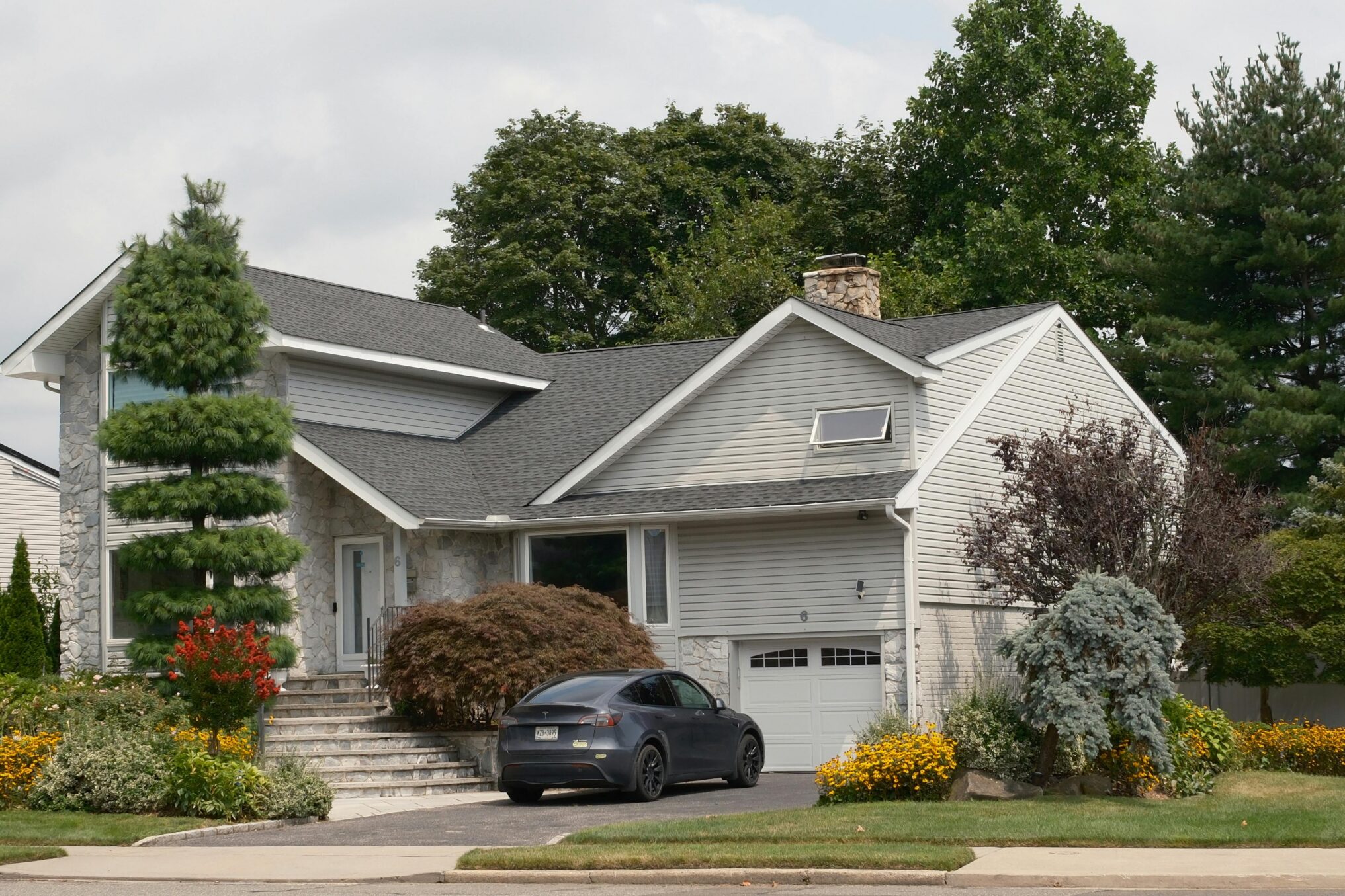
Stone veneer works particularly well as an accent material on Pittsburgh homes — a wainscot section at the base of a house, a chimney surround, a gable accent, or a full front elevation upgrade while the sides remain in a complementary siding material. The combination of stone veneer and fiber cement or trim board is a look we install regularly in the South Hills.
Brick siding — whether real thin brick or brick-pattern manufactured veneer — is another option for homes that want a more traditional masonry aesthetic. We install both products. The substrate and drainage requirements are similar to stone veneer, and the installation technique is comparable. We’ll walk you through the options and give you realistic comparisons on cost and long-term performance.
Stone veneer siding is a significant upgrade for any Pittsburgh home’s exterior. Get a free written estimate from a crew that knows how to install it properly.
Why Pittsburgh Homeowners Choose Picture Perfect Exteriors for Stone Veneer Siding
Substrate assessment first. We check that the wall assembly can support the weight and moisture demands of stone veneer before anything goes up.
Drainage plane always installed. No veneer goes on without a proper drainage plane. Moisture behind stone veneer is a serious problem — we prevent it.
Manufactured and natural stone. We work with both product types and can help you compare cost, weight, and appearance.
Accent and full-facade applications. From a single chimney surround to a full front elevation, we handle the full scope.
Written quotes, licensed & insured. Full transparency on scope and cost before we start. Fully covered on every job.
Stone veneer installation is more technical than most siding types — substrate prep determines how long it lasts:
Step 1 — Site Assessment & Product Selection
We evaluate the wall structure, measure the application area, and discuss stone profiles, colors, and installation methods. Written estimate provided.
Step 2 — Substrate Preparation
Existing substrate reinforced or modified as needed. Weather-resistant barrier installed. For mortar-set applications, metal lath is fastened to the wall surface.
Step 3 — Scratch Coat Application
A scratch coat of mortar is applied over the metal lath for mortar-set stone veneer, providing the bonding surface for the veneer panels.
Step 4 — Stone Veneer Installation
Stone panels or individual pieces set into mortar or adhesive, with correct joint spacing and pattern variety for a natural appearance. Corners and transitions handled with appropriate return pieces.
Step 5 — Grouting, Sealing & Final Inspection
Joints grouted and finished. Sealant applied at transitions to other materials. Final walkthrough confirms everything is secure, weathertight, and correct.
Latest News
CONSTRUCTION NEWS & INSIGHTS
Explore articles that break down the how, why, and what of modern building curated for owners,
developers, and curious minds.
Clear answers before you book. If you don't see your question — contact us and we'll help.
ROOF RELIABILITY SCORE
Leak prevention & weather resistance.
88%+9% improvement after service.
What's the difference between manufactured stone veneer and natural stone veneer?
Manufactured stone veneer is cast from concrete and aggregate to replicate natural stone in texture and color. It's lighter, more uniform, and generally less expensive than natural stone veneer. Natural stone veneer is cut from real quarried stone. Both require similar substrate preparation and drainage plane installation. We install both and can compare costs for your specific project.
Can my existing wall handle stone veneer?
It depends on the wall construction. Stone veneer adds meaningful weight — typically 10 to 25 pounds per square foot for manufactured products. Standard residential framing handles this well, but the substrate (sheathing, weather barrier, lath) needs to be in good condition and correctly prepared. We assess this before any recommendations.
How does stone veneer hold up in Pittsburgh winters?
Properly installed stone veneer performs well in freeze-thaw conditions. The critical factor is the drainage plane — moisture that gets behind veneer and freezes expands, which can crack panels and pull the installation off the wall. We always install a drainage plane to address this.
Can you install stone veneer on just part of the house?
Yes, and that's actually a common application. Stone veneer as a wainscot band, chimney surround, or gable accent paired with a complementary siding material on the rest of the house is a cost-effective way to add visual interest without cladding the entire exterior in stone.
How long does stone veneer siding last?
Well-installed manufactured stone veneer typically carries a 50-year product warranty from major manufacturers. Real-world longevity is similar. The drainage plane and substrate condition are the primary factors in long-term performance. Poorly installed veneer with no drainage plane can fail in as little as 5 to 10 years in a wet climate like Pittsburgh's.
What's the difference between natural stone and manufactured stone veneer?
Natural stone is quarried material — heavier, more expensive, genuinely unique. Manufactured stone veneer is cast concrete — lighter, easier to install, more consistent, and significantly less expensive. Both look excellent. We install manufactured stone veneer on most residential projects; natural stone where authenticity is specifically required.
Trusted by 85 Accreditations
ABOUT company
Driven by Craft. Defined by Reliable Installations.
Call 412-743-8208 or fill out our form for a free, no-obligation estimate. We serve Pittsburgh and all surrounding areas including Allegheny, Beaver, Butler, Washington, and Westmoreland counties.