Roof Repair in Pittsburgh: What It Costs and When Repair Beats Replacement
Most Pittsburgh roof repairs run $150–$1,500 — this guide explains when repair makes sense and when replacement is the smarter call.
Steel door installation dominates Pittsburgh's residential market because steel solves the most common problems the area homeowners face with exterior doors — dimensional.
Steel door installation, wood door installation, and fiberglass door installation in Pittsburgh each represent a different answer to the same set of questions: How much does appearance matter? How much maintenance can you commit to? What security level do you need? What is your budget? No single material is right for every homeowner — but once you understand how each material performs in Pittsburgh's specific climate, the right choice becomes clear.
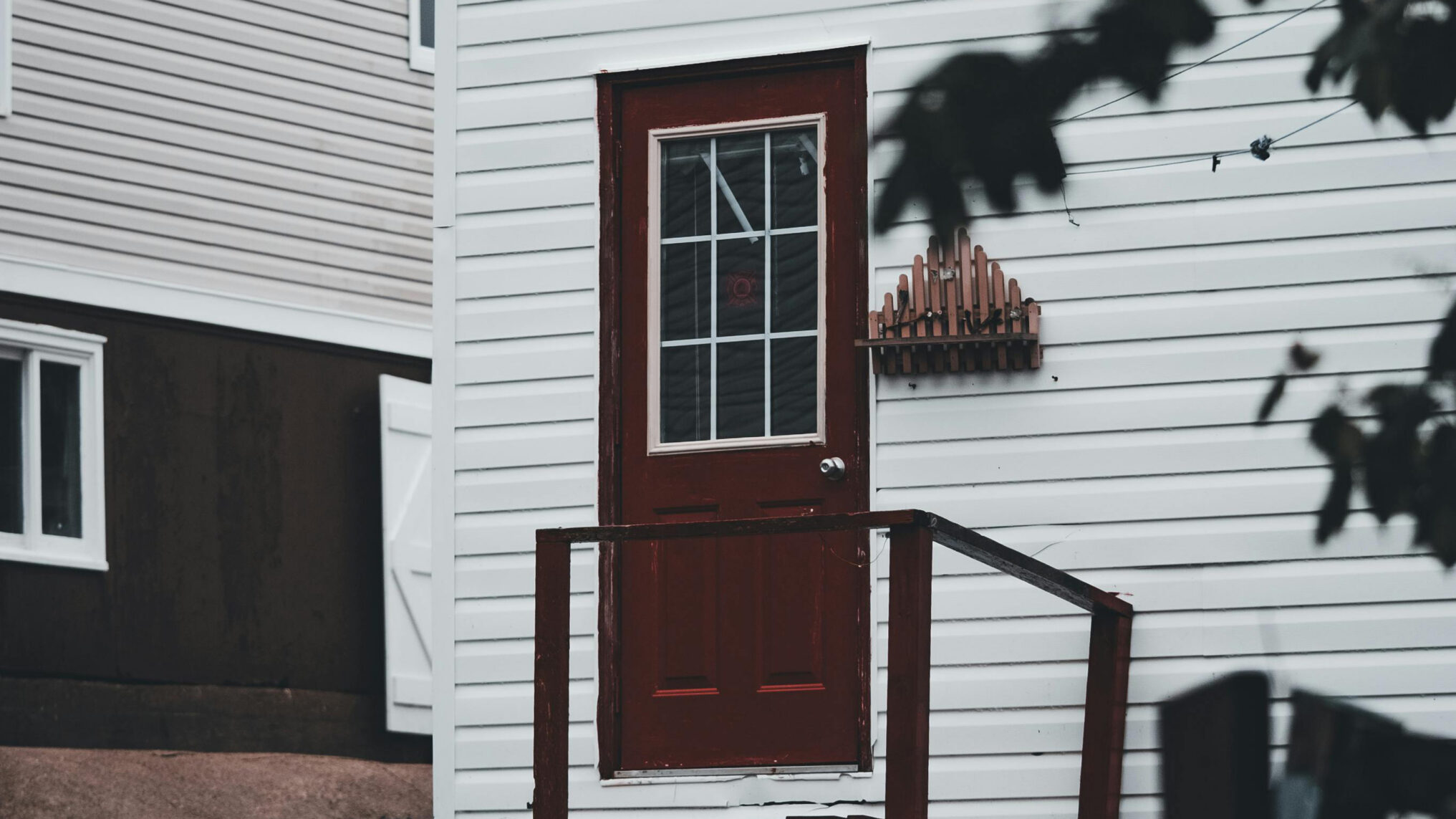
Steel — Security, Thermal Performance, Low Cost
Fiberglass — Low Maintenance, High Durability, Realistic Wood Look
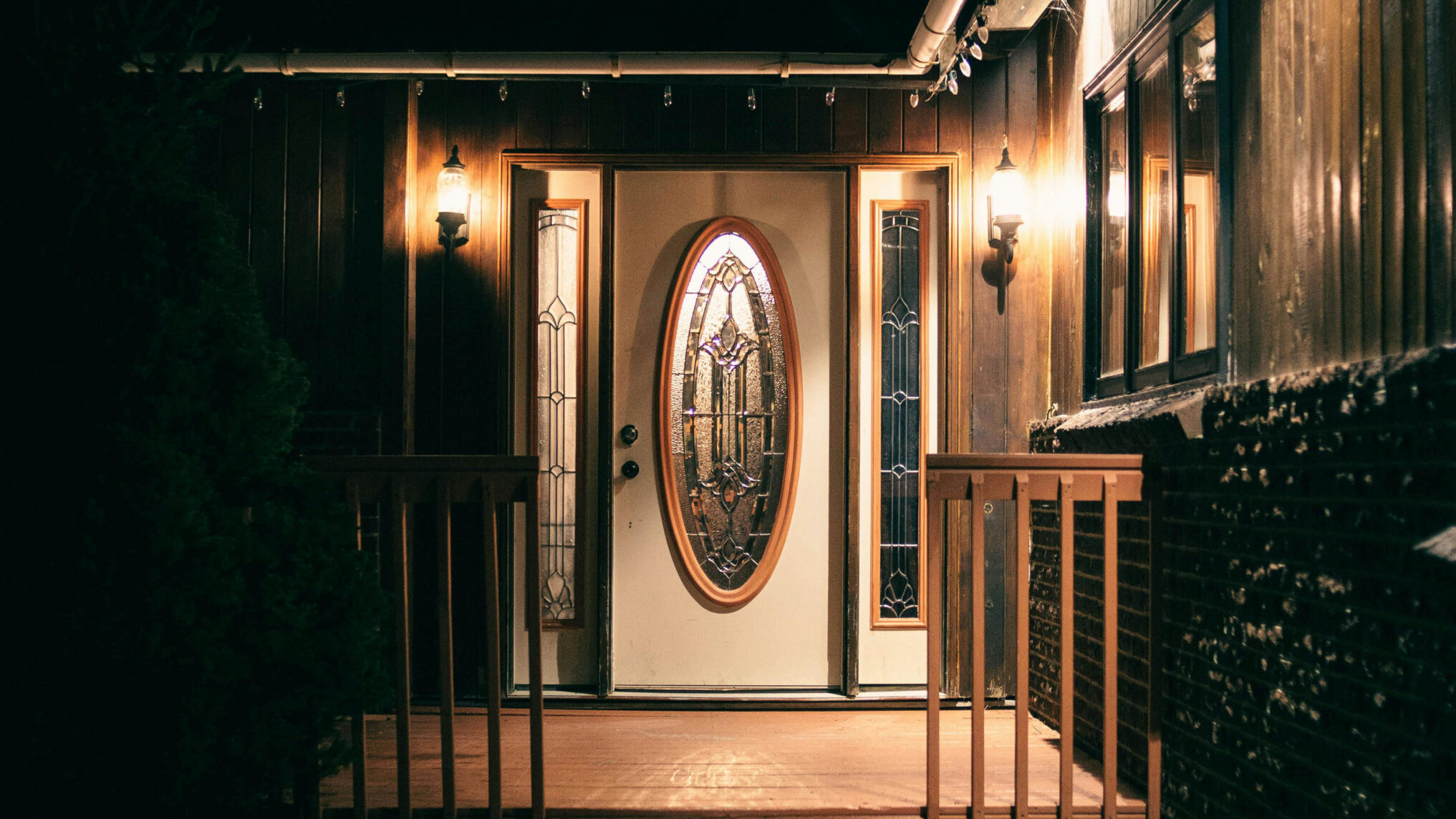
Wood — Premium Appearance, Requires Proper Sealing and Upkeep
Steel door installation dominates Pittsburgh’s residential market because steel solves the most common problems Pittsburgh homeowners face with exterior doors — dimensional stability through the full temperature range, security performance without exotic hardware, and low maintenance year over year. Steel does not absorb humidity, does not expand in summer or contract in winter, does not crack or split, and does not rot. For Pittsburgh’s climate, where a wood door requires annual attention and a fiberglass door commands a significant price premium, steel entry doors deliver the best overall value proposition for most homeowners.
Steel door installation in Pittsburgh benefits from the material’s indifference to weather. The freeze-thaw cycles that crack wood door rails and expand wood frames have no effect on properly finished steel. The 38 inches of annual Pittsburgh rainfall that penetrate unsealed wood grain edges and generate rot have no path into steel. The temperature swing from -10°F winter lows to 90°F summer highs that causes wood and even some fiberglass products to change dimension seasonally does not affect steel door operation. A steel door installed correctly in Pittsburgh in year one operates the same in year fifteen.
Modern steel door installation in Pittsburgh should specify polyurethane foam core construction — not polystyrene (white beadboard foam). Polyurethane fills the steel skin completely and achieves R-values of R-10 to R-18 depending on thickness. Polystyrene cores achieve only R-5 to R-7. For Pittsburgh’s Climate Zone 5, we recommend minimum R-10 for entry doors and R-13 or higher for doors on north-facing or wind-exposed exposures. Steel door installation with an inadequately insulated core performs nearly as poorly as an uninsulated door in Pittsburgh winters.
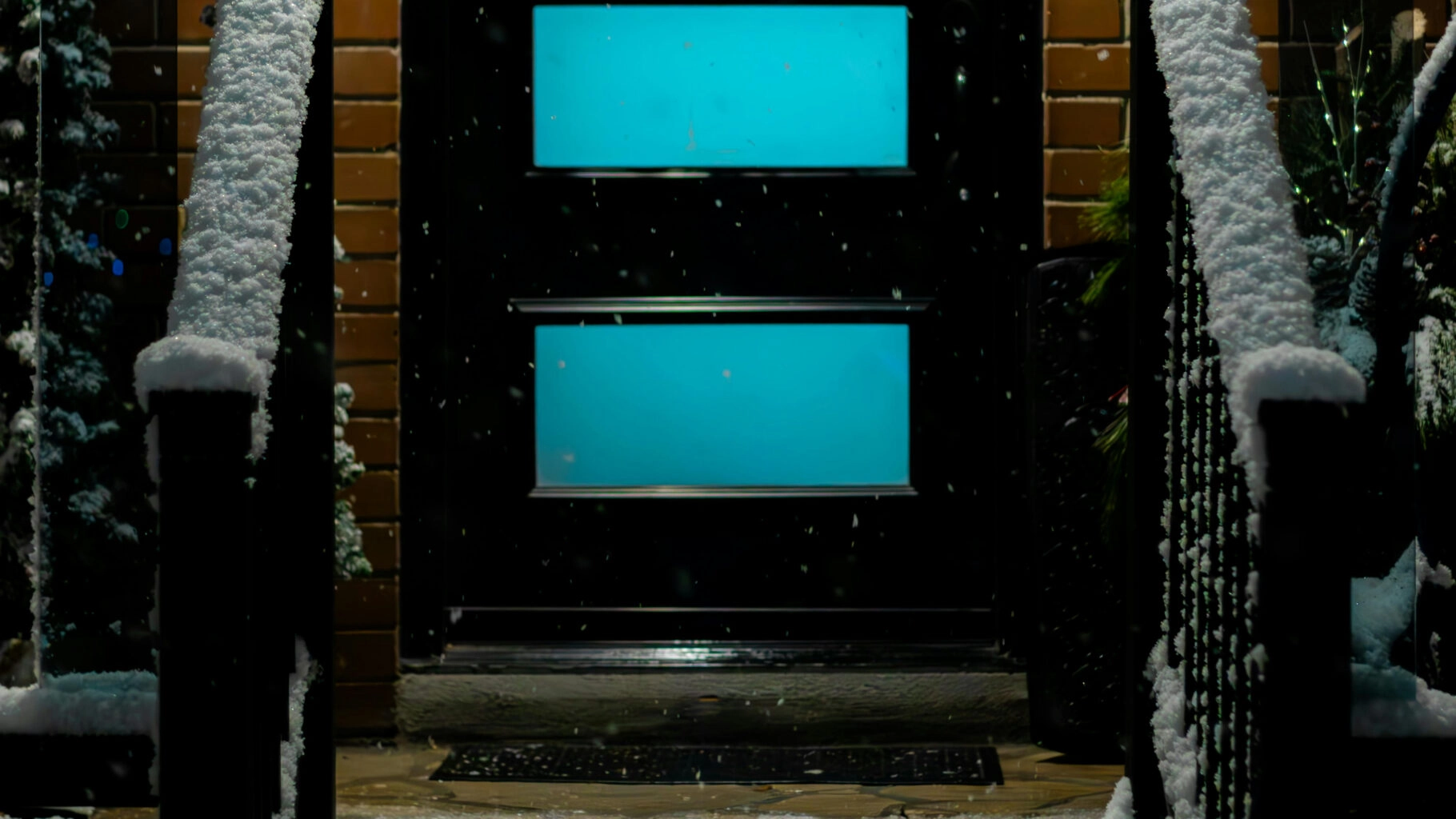
Wood door installation in Pittsburgh is the choice when authentic appearance and architectural accuracy matter more than minimizing maintenance. For Pittsburgh’s historic neighborhoods — Shadyside, Point Breeze, Highland Park, and the brick Colonial suburbs of the South Hills — where period-appropriate exterior materials are part of what makes a neighborhood character worth preserving, wood entry doors are the right answer. No manufactured material fully replicates the depth of grain, the warmth of finish, or the customizability of solid wood construction.
Wood door installation in Pittsburgh requires accepting a maintenance commitment. Pittsburgh’s 130+ annual freeze-thaw cycles, high humidity from June through September, and direct rain exposure create ideal conditions for paint failure, wood checking, and moisture infiltration if proper edge sealing is not maintained. We recommend annual inspection of exterior wood doors, touch-up refinishing as needed, and full refinishing every 3–5 years depending on sun and rain exposure. South-facing and west-facing doors in Pittsburgh see the most UV and weather exposure and require the most frequent attention.
Pittsburgh’s older housing stock — particularly homes built before 1940 — frequently has door opening dimensions that don’t match standard modern door sizes. 7-foot-8-inch door heights, arched or elliptical transoms, unusually wide entry openings, and non-standard sidelite configurations all require custom fabrication. Wood is the most accommodating material for custom door installation in Pittsburgh precisely because it can be built to any dimension, any panel configuration, and any profile that the opening demands.
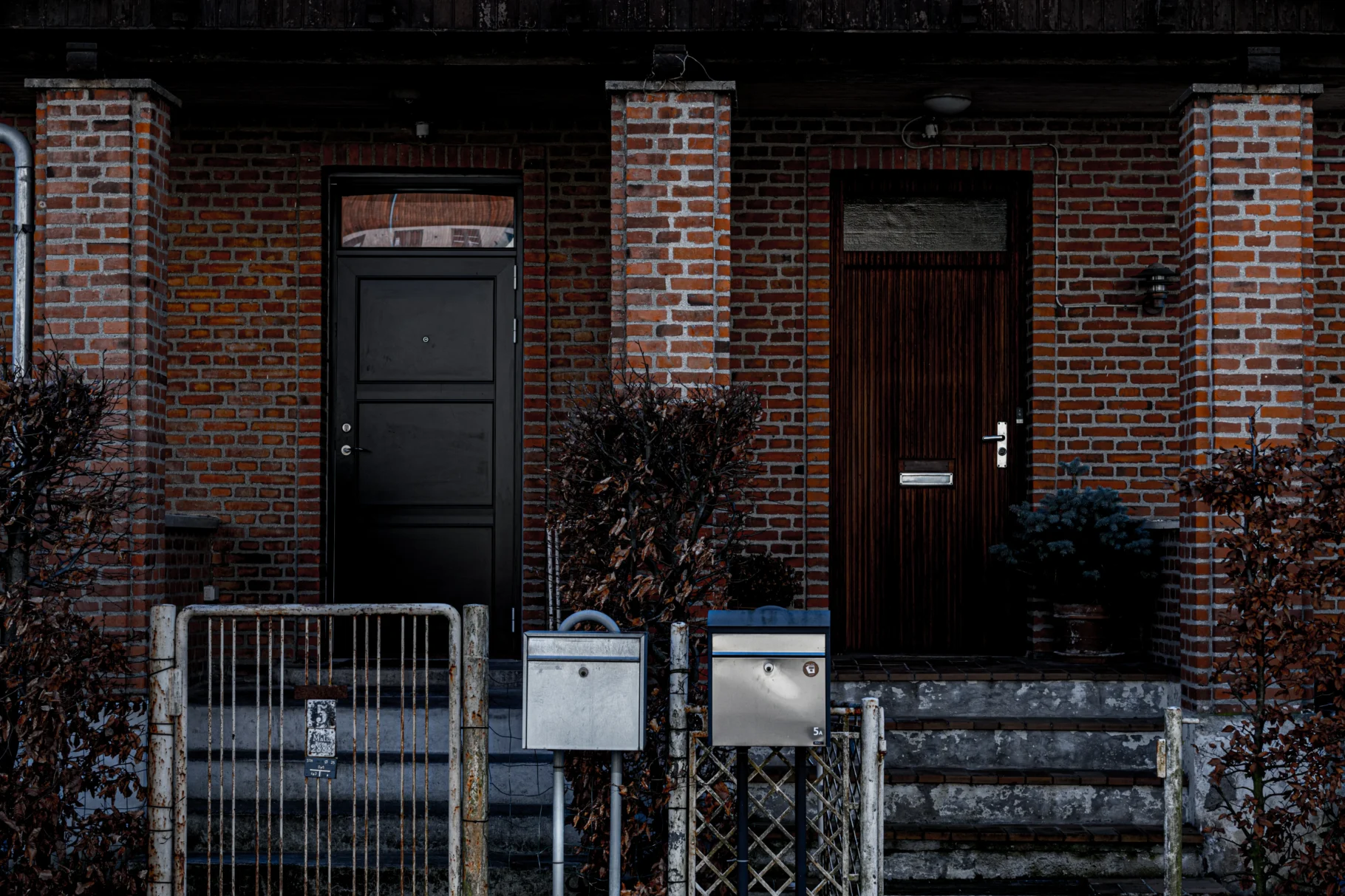
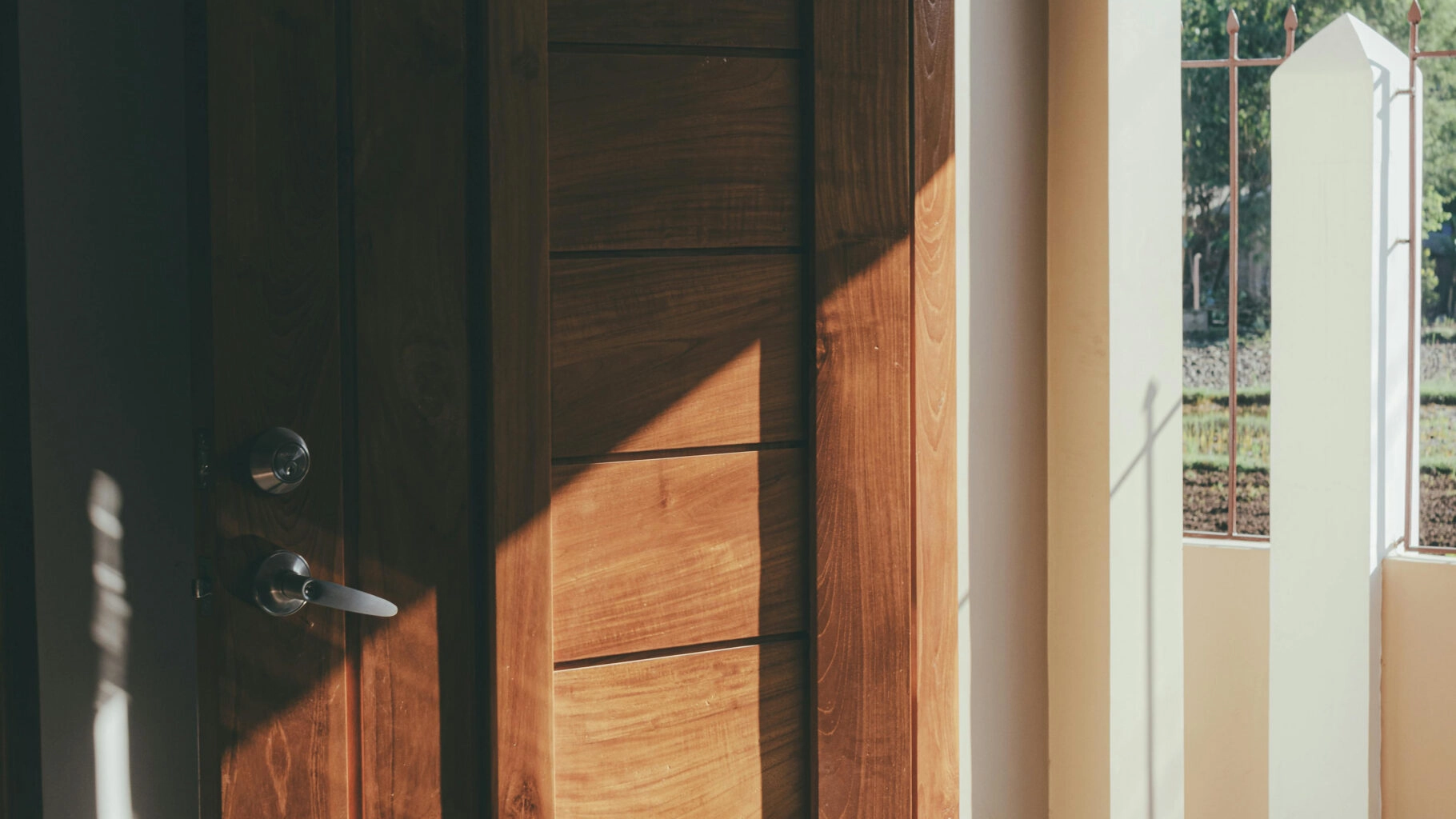
Fiberglass door installation in Pittsburgh occupies the space between steel and wood — better appearance flexibility than steel, less maintenance than wood, and climate performance that rivals or exceeds both. High-end fiberglass door skins are textured with wood grain patterns pressed to a depth and density that accepts stain directly, producing a finished appearance that many homeowners cannot distinguish from real wood at normal viewing distance. Fiberglass does not rust, does not rot, does not absorb moisture, and does not warp or swell in Pittsburgh’s humidity range.
After 13+ years of installing doors across Pittsburgh, here is our honest assessment:
Get In Touch With Us
Ready To Work ?
Explore articles that break down the how, why, and what of modern building curated for owners, developers, and curious minds.
Most Pittsburgh roof repairs run $150–$1,500 — this guide explains when repair makes sense and when replacement is the smarter call.
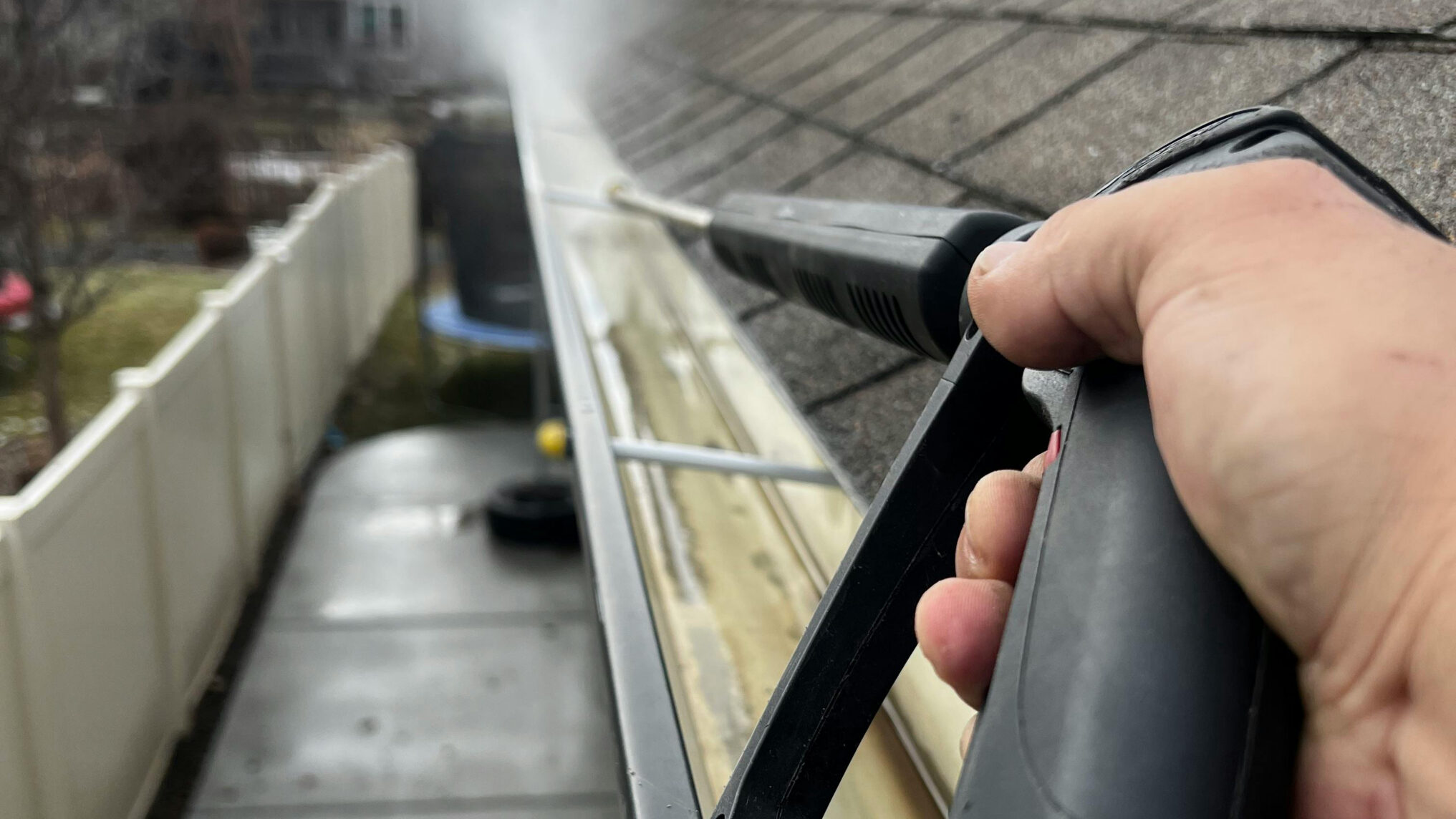
Gutters need cleaning twice a year — skipping it leads to fascia rot, ice dams, and foundation damage that costs far more to fix.
Pittsburgh's freeze-thaw cycles put extra stress on siding — here are the 7 signs it's time to replace yours.
This guide breaks down what drives the cost and how to evaluate quotes before you commit.
Clear answers before you book. If you don't see your question — contact us and we'll help.
ROOF RELIABILITY SCORE
Leak prevention & weather resistance.
Steel and fiberglass doors with polyurethane foam cores achieve comparable R-values — typically R-10 to R-18 — and both significantly outperform wood at insulation. The quality of the weatherstripping installation and threshold seal matters as much as the door material for overall thermal performance in Pittsburgh's climate.
Steel door installation in Pittsburgh provides the best security per dollar. Steel resists splitting, kicking, and forced entry better than wood or fiberglass at standard residential price points. Combined with reinforced frames, 3-inch strike plate screws, and multi-point locking hardware, steel entry doors provide security performance that approaches dedicated security door specifications.
Yes — fiberglass is one of the best-performing door materials for Pittsburgh's climate specifically because it is dimensionally stable across the full temperature range and completely impervious to moisture. Unlike wood, fiberglass does not check, swell, or absorb water in the area's freeze-thaw cycles. High-quality fiberglass door installations locally can last 30+ years with minimal maintenance. Not sure which door material is right for your the area home?
Steel doors are dent-resistant, typically less expensive, and available with good insulated cores. Fiberglass doors are better thermal insulators, don't conduct cold at the frame edges, and can be stained to look like wood. For Pittsburgh's climate, fiberglass is the higher-performance choice; steel is the better value.
Steel doors can be repainted — clean, prime with bonding primer, topcoat with exterior paint. Wood doors can be stripped, sanded, and refinished multiple times. Fiberglass doors can be stained or painted with appropriate products.
Steel doors are the most kick-resistant because the skin resists splitting under impact. Security also depends heavily on frame reinforcement and deadbolt installation — a steel door in a weak frame is no more secure than solid wood. We ensure frame reinforcement matches the security level you need.
Trusted by 85 Accreditations



Not sure which door material is right for your Pittsburgh home? Call 412-743-8208 for honest advice and a free estimate.
Total Project Value
On-Time Completion
Projects Completed
Years of Experience
Tell us what you need, and our team will get back to you with clear next steps, honest guidance, and fast support.