Home/Blog/Condensation on the Inside of Windows: Causes, Fixes and When It Means Replacement
Condensation on the Inside of Windows: Causes, Fixes and When It Means Replacement
When we evaluate windows, the first question is where the moisture is. That one detail tells you whether you're looking at normal physics, a humidity problem inside the house, or a window that has failed.
On cold Pittsburgh mornings, a lot of homeowners find the same thing: fogged glass, water beading along the bottom of the pane, sometimes a thin layer of frost. Some days it wipes right off. Some days it runs onto the sill and leaves black spots behind. And sometimes the fog is between the two panes, where no towel can reach it.
When we evaluate windows, the first question is where the moisture is. That one detail tells you whether you’re looking at normal physics, a humidity problem inside the house, or a window that has failed. Here’s how to tell the three apart, what to do about each, and when condensation means the glass or the whole window needs to be replaced.
What Causes Condensation on Windows?
Warm air holds more moisture than cold air. When warm, humid indoor air touches a surface colder than its dew point, the excess moisture comes out as water on that surface.
In winter, the glass is usually the coldest surface inside the house. So when cooking, showers, laundry and simply breathing add moisture to the air, the windows are where it shows up first.
Two things decide how much condensation you get:
Indoor humidity. The more moisture in the air, the more condensation.
The temperature of the inside pane. Single-pane glass, aluminum frames and failed seals all make the interior glass colder.
The Three Types of Window Condensation
Before changing anything, check where the moisture is forming.
Where the condensation is
What it usually means
What to do
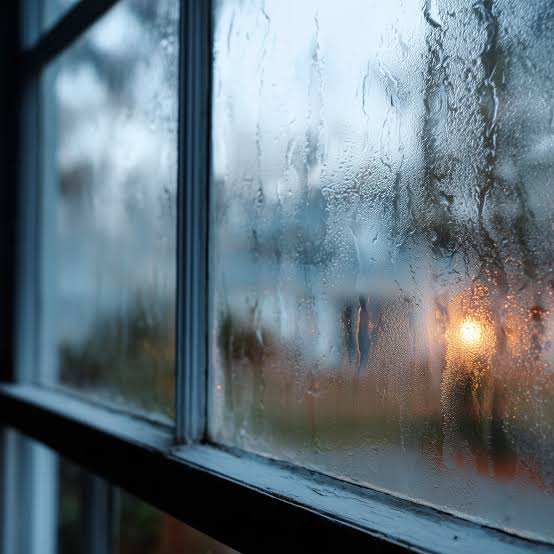
On the inside of the glass (room side)
Indoor humidity is high, or the glass is too cold
Lower humidity; check the window’s efficiency
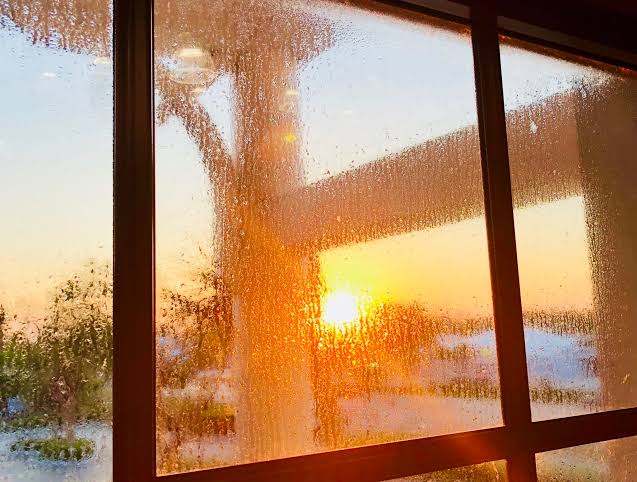
On the outside of the glass
Normal, and often a sign of efficient glass
Nothing; it clears as the day warms up
Between the panes
The insulated glass seal has failed
Replace the glass unit or the window
Why Is There Condensation on the Inside of My Windows?
Interior condensation is the most common type, especially in winter. The usual sources:
Everyday moisture. Showers, cooking, boiling water, laundry drying indoors, houseplants, aquariums, and people breathing overnight in closed bedrooms.
Humidifiers set too high. A whole-house or room humidifier can easily push humidity past what the windows can handle in cold weather.
Inadequate ventilation. Bathroom and kitchen exhaust fans that are missing, undersized or never used leave moisture in the house.
A tighter house. New windows, siding or insulation reduce air leakage. That’s good for heating bills, but moisture that used to escape now stays inside.
Damp basements and crawl spaces. Moisture from below migrates up through the house.
Cold glass. Single panes, old aluminum frames and drafty sashes let the interior surface get cold enough for condensation to form even at moderate humidity.
Condensation on Windows in Winter
The colder it is outside, the worse interior condensation gets. Colder glass means condensation starts at a lower humidity level, which is why a window that stays clear in November can be dripping in January.
The EPA recommends keeping indoor humidity between 30 and 50 percent. During the coldest stretches of a Pittsburgh winter, we suggest staying near the low end of that range. A digital hygrometer from any hardware store will tell you where your house actually sits, and it’s worth having one before you blame the windows.
If condensation is freezing on the glass, or there’s frost in the attic too, the same warm, moist air is likely reaching the roof space. That’s one of the conditions behind winter roof leaks; see how to prevent ice dams on your roof.
How to Stop Condensation on Windows
In most homes, lowering humidity and improving air movement solves interior condensation. Start with the simple fixes before spending money on windows.
Lower Indoor Humidity
Run the bathroom fan during showers and leave it on until the mirror clears.
Use a range hood that vents outside, especially when boiling water.
Turn the humidifier down or off when the windows start to fog.
Don’t dry laundry indoors, and make sure the dryer vents outside.
Run a dehumidifier in a damp basement.
Keep lids on pots while cooking.
Keep Air Moving
Open curtains and blinds during the day so warm room air reaches the glass.
Run ceiling fans on low.
Keep furniture off the heat registers under windows.
Crack a window for a few minutes after a shower or cooking to exchange damp indoor air for dry outdoor air.
How to Stop Condensation on Windows Overnight
Bedrooms are usually the worst, because people add moisture while they sleep and the door is closed. Leave the door open, keep the blinds partly open, run a small fan, and keep any humidifier on a low setting. A small dehumidifier in the room also helps.
Warm Up the Glass
If humidity is under control and the windows still sweat, the glass is too cold. That’s a window problem, not a household problem. Options, from least to most involved:
Weatherstripping and caulking to stop air leaks around the sash
Storm windows, which add an insulating layer over older primary windows
Replacement windows with insulated glass, Low-E coatings and argon fill, which keep the inner pane much closer to room temperature
Mold on Windows From Condensation
Water that runs onto the sill every morning eventually leads to mold, peeling paint and rotted wood. Black spots in the corners of the glass or along the sill are the early warning.
What to do:
Wipe the glass and sill dry each morning.
Clean mold spots with soap and water, then let the area dry completely.
Bring the humidity down, or the mold will come back.
Press on wood sills and frames. Soft spots mean rot has set in, and the window needs repair or replacement.
Condensation on the Outside of Windows
Exterior condensation appears on cool mornings in spring, summer and fall, when the outdoor air is humid and the glass has cooled overnight.
This is normal, and it usually means the windows are doing their job. Efficient glass keeps indoor heat inside, so the outer pane stays cool enough for dew to form. It burns off once the sun hits the glass. Nothing needs to be repaired.
Condensation Between Window Panes
Fog, droplets or a cloudy film between the panes is a different issue. Double- and triple-pane windows use a sealed insulated glass unit (IGU) filled with dry air or argon gas. Moisture between the panes means that seal has failed, humid air has gotten in, and the insulating gas has leaked out.
Condensation between panes is always a seal failure. No amount of cleaning will fix it. The window will keep fogging, and it won’t insulate the way it was designed to.
Failed seals are very common in Pittsburgh homes with windows installed in the 1990s and early 2000s, because the seal technology from that era had a limited service life.
There are two ways to fix it:
Replace just the glass unit. If the frame and sash are sound, window glass replacement swaps out the IGU and keeps the existing frame. It typically costs significantly less than a new window.
Replace the whole window. If several units have failed seals, the frames are rotting or drafty, or the windows are 20 or more years old, full replacement usually makes more sense.
Our recommendation depends on the frame, not on what’s easier to sell: glass replacement when it makes sense, full replacement when it doesn’t, and a written quote either way.
When Window Condensation Means You Need New Windows
Condensation by itself doesn’t always mean new windows. It points that way when you see:
Fog or moisture between the panes on more than one window
Interior condensation that persists even with indoor humidity in the 30 to 40 percent range
Ice forming on the inside of the glass or frame
Rotted sills, sashes or frames from years of water exposure
Drafts you can feel around the window
Single-pane glass or old aluminum frames
Find Out What Your Windows Are Telling You
If you’re wiping water off the glass every morning or looking at fog you can’t reach, we’ll tell you whether it’s a humidity issue, a failed glass unit, or a window at the end of its service life. The free exterior inspection comes with a written, itemized estimate at no cost and no obligation.
We serve Bridgeville, Carnegie, Mt. Lebanon, the South Hills and greater Pittsburgh.
Get the exterior work your home needs without putting everything on pause. We offer flexible
financing options for roofing, siding, windows, and gutters ? with clear terms, fast eligibility
checks, and support from estimate to installation.
Quick eligibility check with straightforward next steps.
Transparent pricing, timelines, and no surprise add-ons.
Options for repairs, upgrades, and full replacements.
Cover leaks, storm damage, or failing materials without delaying the fix. Get an estimate first, then choose a plan that protects your home while work gets done.
Upgrade Options
Invest in upgrades that boost curb appeal, efficiency, and durability. Pick an option that fits your budget, and we'll recommend materials built for your climate.
Replacement Scope
Planning a full roof, siding, windows, or gutters? Spread the cost over time with clear terms, so you can move forward now and avoid bigger issues later.
0% INTEREST & NO PAYMENTS
Projects get a promotional period with zero interest and no payments due. Ask us about available offers when we give you your estimate.
CONTACT US
LET'S TALK ABOUT YOUR PROJECT
Tell us what you need, and our team will get back to you with clear next steps, honest guidance, and fast support.