Roof Repair in Pittsburgh: What It Costs and When Repair Beats Replacement
Most Pittsburgh roof repairs run $150–$1,500 — this guide explains when repair makes sense and when replacement is the smarter call.
Pittsburgh's freeze-thaw cycles put extra stress on siding — here are the 7 signs it's time to replace yours.
Siding doesn’t fail dramatically. It rarely announces itself the way a leaking roof does. Instead, it fades a little each season, develops a subtle warp here, a crack there, until one day you notice your house looks older than it is — and the energy bills have been quietly climbing. Knowing when siding has genuinely reached end of life, and when it can still be repaired, is one of the more useful things a Pittsburgh homeowner can understand.
Every siding material has a rated lifespan, and most of those numbers are optimistic. They’re built around temperate climates and maintenance schedules that most homeowners don’t follow. Pittsburgh’s combination of humid summers, cold winters, and aggressive freeze-thaw cycles shortens the practical lifespan of most materials by 3–7 years compared to national figures.
|
Material |
Avg Lifespan |
Pittsburgh Reality |
Primary Failure Signs |
|
Vinyl (standard) |
20–40 years |
15–30 years |
Cracking, warping, severe fading |
|
Aluminum |
30–40 years |
25–35 years |
Denting, oxidation, chalky surface |
|
Natural Wood / Cedar |
15–30 years |
12–22 years |
Rot, insect damage, severe warping |
|
James Hardie (Fiber Cement) |
25–50 years |
25–45 years |
Paint failure, chipped or cracked boards |
|
Engineered Wood (LP SmartSide) |
20–30 years |
18–28 years |
Bottom-edge swelling, delamination |
Most of these signs don’t appear in isolation. By the time two or three of them show up on the same house, the math has usually shifted from repair to replacement.
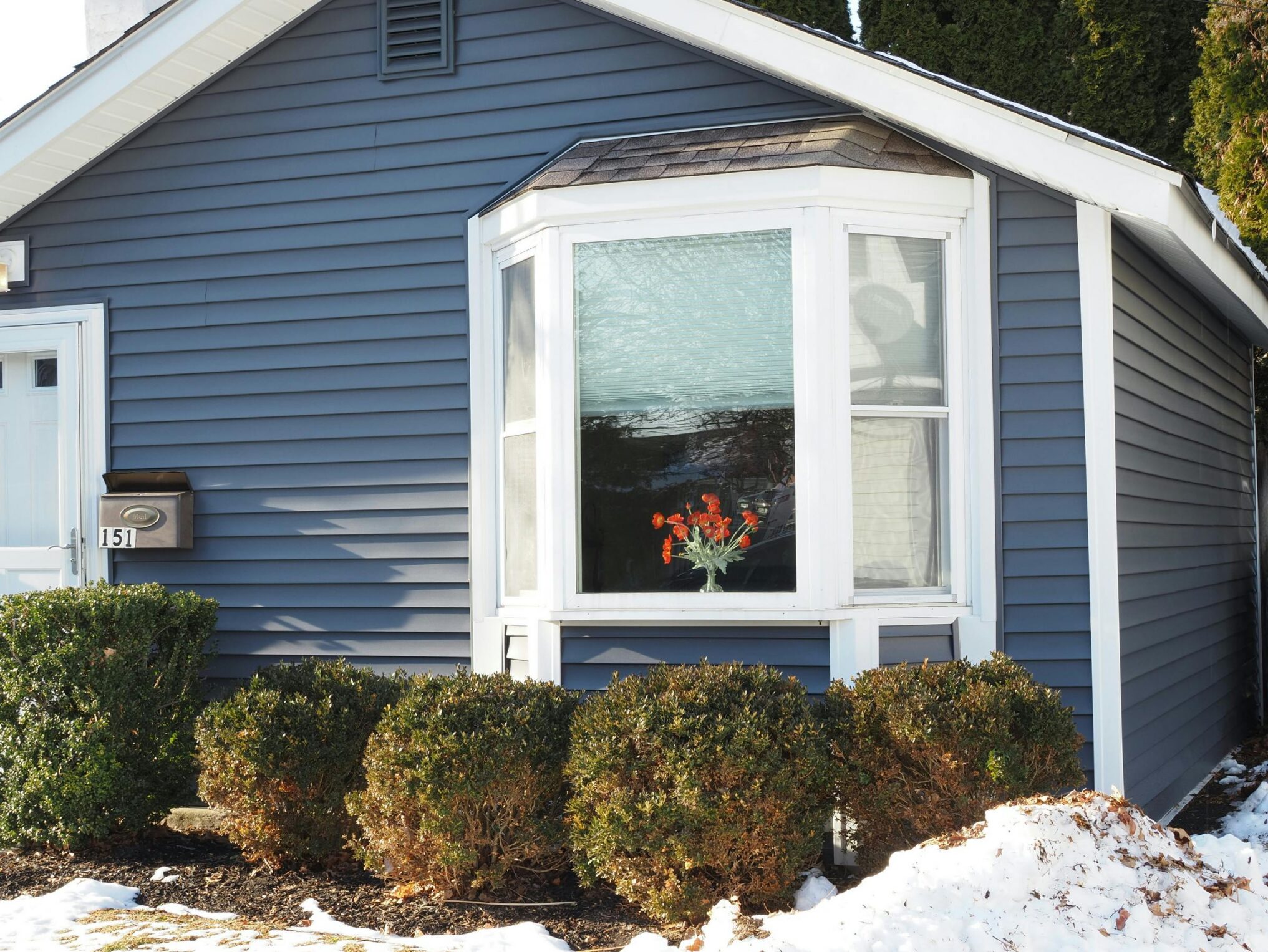
Most siding lifespan estimates are calibrated for temperate, moderate climates. Pittsburgh is neither. The city sits in a bowl that funnels humid air up from the Ohio River valley in summer, then gets battered by lake-effect cold fronts in winter. Temperatures that swing above and below freezing dozens of times between October and March put mechanical stress on every building material — and siding is no exception.
Older aluminum siding is a particular concern on Pittsburgh’s post-war housing stock. Homes in Brookline, Dormont, Baldwin, and across the South Hills built in the 1960s and 1970s often still have their original aluminum. It dents easily, the paint oxidizes into a chalky gray film that can’t be restored, and once the fasteners start pulling out — which they do on these aging homes — it can’t be adequately re-secured. If you have original aluminum siding from that era, it has done its job. It’s time.
Wood siding in Pittsburgh’s wetter neighborhoods — creek valleys, north-facing hillsides, homes under heavy tree canopy — also fails earlier than rated lifespans suggest. Moisture is patient and persistent. Once it’s inside the wall assembly, it has nowhere to go but deeper.
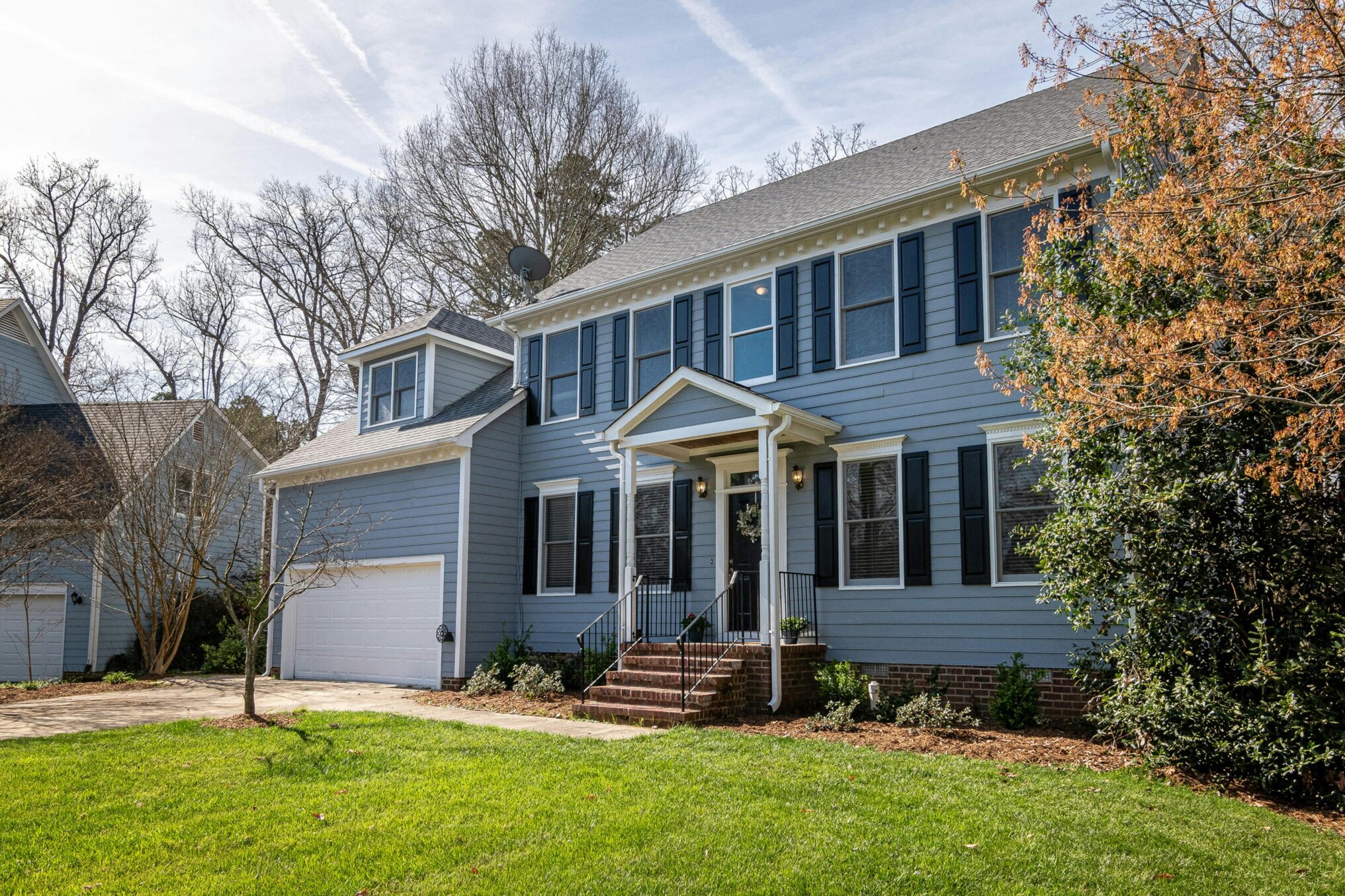
The general contractor rule: if the damage is isolated to 10% or less of the total siding surface and the substrate underneath is sound, repair is usually the right call. Beyond that threshold, you’re patching a failing system. With older vinyl or aluminum, you often can’t match the original color anyway, leaving the house looking patchwork regardless of the quality of the repair work.
The most important variable is the substrate — the wood sheathing beneath the siding. That’s what determines the integrity of the wall assembly. Healthy substrate with surface-level damage: repair makes sense. Wet, soft, or rotted substrate: replacement is the only real answer, and delaying it makes the eventual bill larger.
If you’re not sure, have a contractor do a targeted inspection — pulling a few panels in areas of concern to check the sheathing underneath. A straightforward contractor will give you a direct answer about what they find, and that inspection usually costs nothing when you’re getting a replacement quote at the same time.
If you’re seeing the warning signs, a free inspection is the right next step. Picture Perfect Exteriors serves Pittsburgh and the surrounding area — call 412-743-8208 or schedule online and we’ll tell you exactly what you’re working with.
Get In Touch With Us
Ready To Work ?
Explore articles that break down the how, why, and what of modern building curated for owners, developers, and curious minds.
Most Pittsburgh roof repairs run $150–$1,500 — this guide explains when repair makes sense and when replacement is the smarter call.
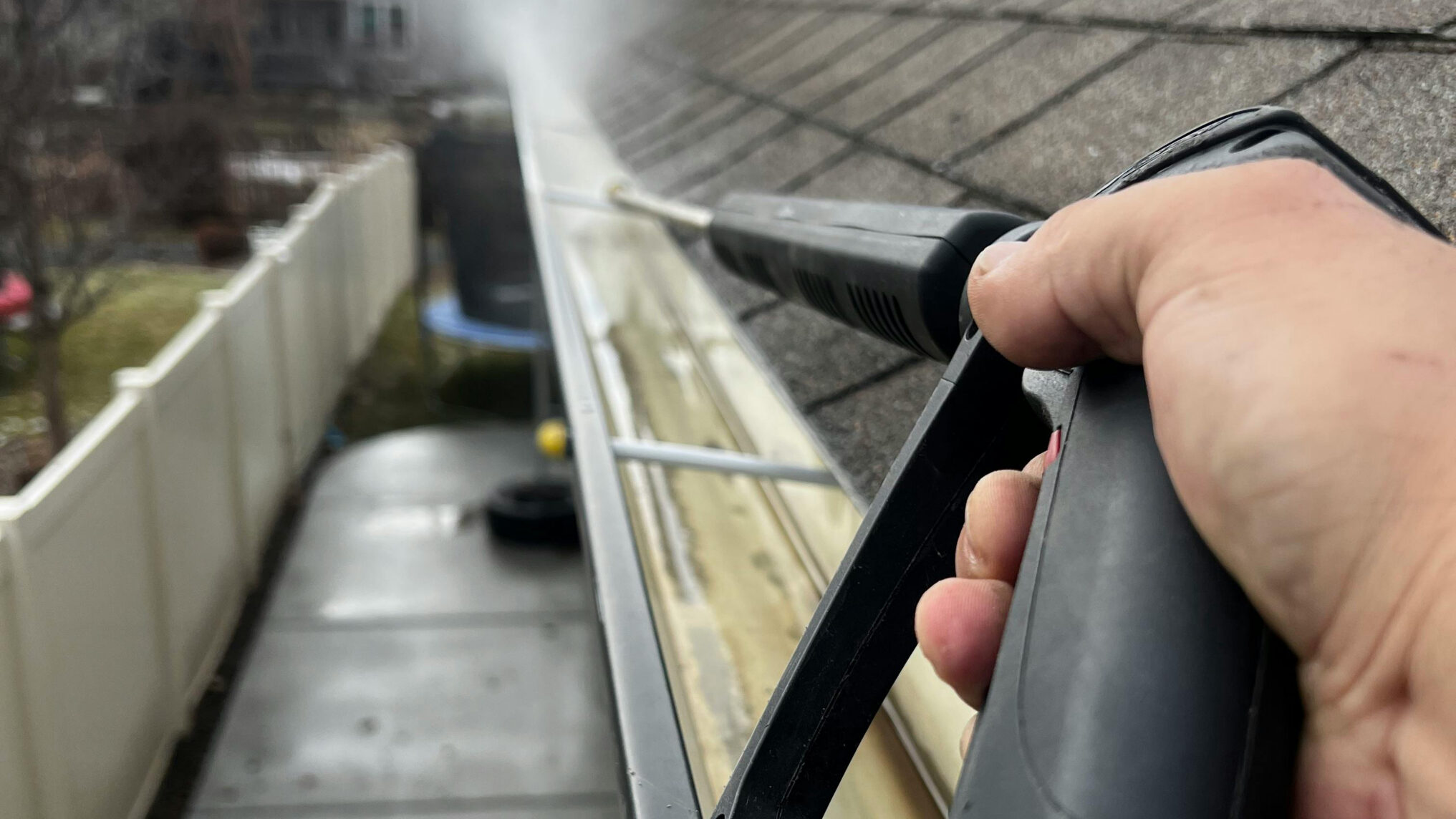
Gutters need cleaning twice a year — skipping it leads to fascia rot, ice dams, and foundation damage that costs far more to fix.
This guide breaks down what drives the cost and how to evaluate quotes before you commit.
Get the exterior work your home needs without putting everything on pause. We offer flexible financing options for roofing, siding, windows, and gutters ? with clear terms, fast eligibility checks, and support from estimate to installation.
Quick eligibility check with straightforward next steps.
Transparent pricing, timelines, and no surprise add-ons.
Options for repairs, upgrades, and full replacements.

Cover leaks, storm damage, or failing materials without delaying the fix. Get an estimate first, then choose a plan that protects your home while work gets done.
Invest in upgrades that boost curb appeal, efficiency, and durability. Pick an option that fits your budget, and we'll recommend materials built for your climate.
Planning a full roof, siding, windows, or gutters? Spread the cost over time with clear terms, so you can move forward now and avoid bigger issues later.
Projects get a promotional period with zero interest and no payments due. Ask us about available offers when we give you your estimate.
Tell us what you need, and our team will get back to you with clear next steps, honest guidance, and fast support.