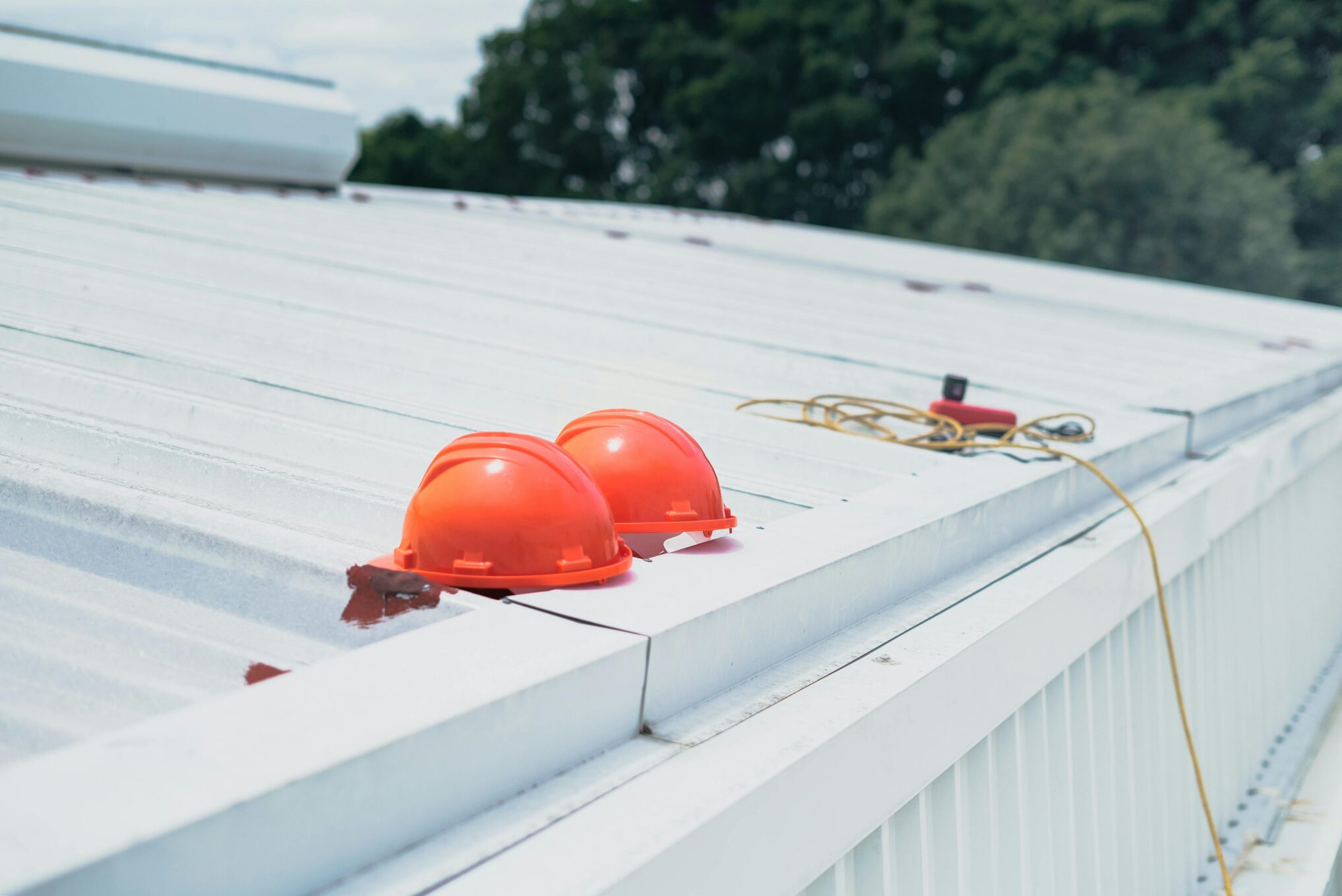
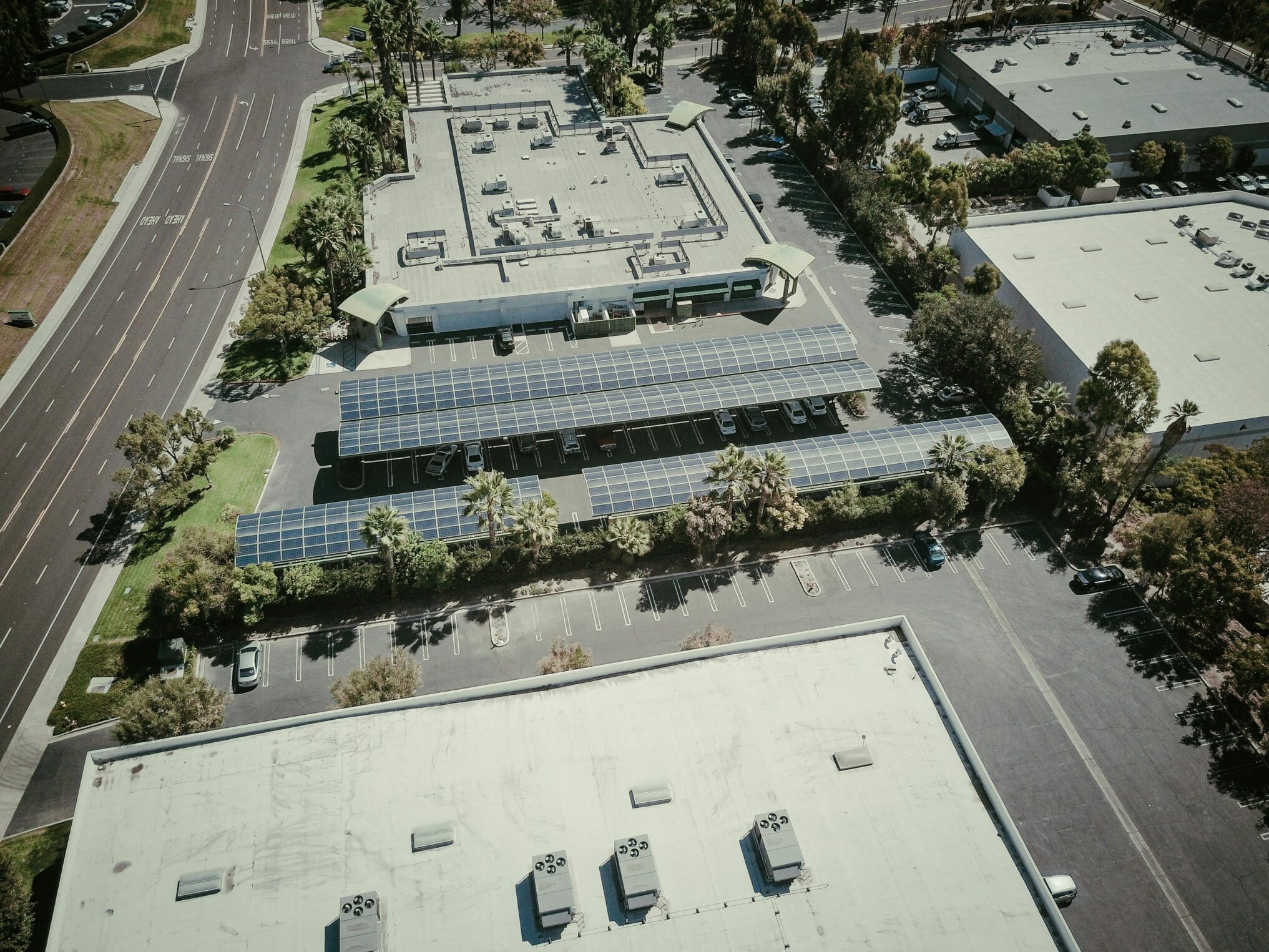
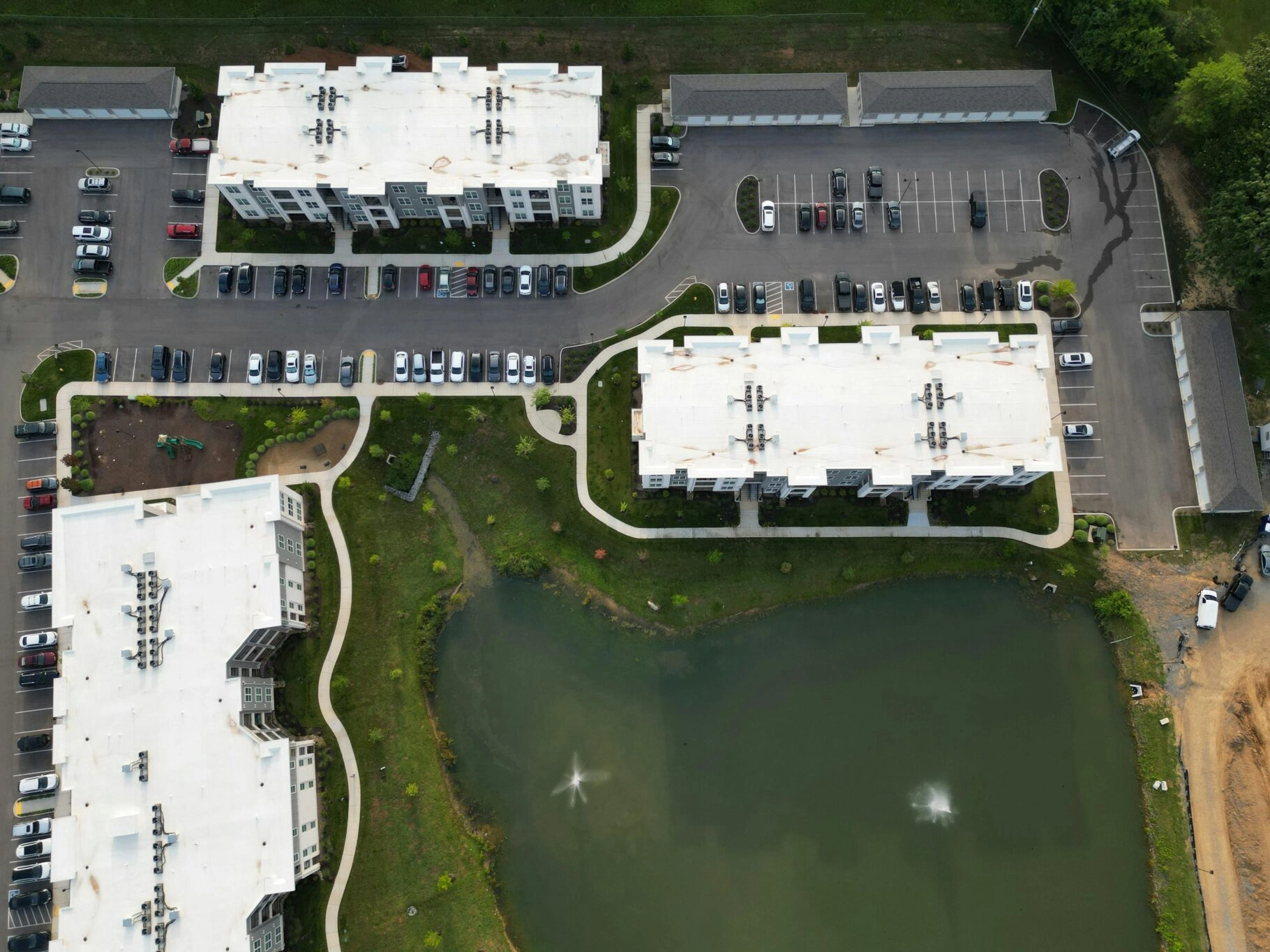
Flat roofs need the right system and a crew that understands low-slope drainage.
Our Flat Roof Approach
Flat and low-slope roofs fail for one reason more than any other: standing water that the drainage system wasn't designed to handle. We install TPO, EPDM, and modified bitumen systems with drainage-first design — proper slope, correctly placed drains, and details at penetrations and edges that most flat roof failures trace back to. Every project starts with a written proposal that includes system type, drainage plan, and warranty terms before any work begins.
TPO roofing (thermoplastic polyolefin) is the most widely installed flat roofing membrane in Pittsburgh today for good reason. It is white or light-colored, reflecting heat in summer. The heat-welded seams create a strong bond that outperforms adhesive connections. It handles Pittsburgh’s freeze-thaw cycles well and resists punctures from foot traffic. We install TPO on residential flat sections, additions, and commercial buildings. Full installation includes proper insulation board, base sheet, mechanically fastened or fully adhered membrane, and detail work at every wall, parapet, drain, and penetration.
EPDM (ethylene propylene diene monomer) is a synthetic rubber membrane that has been used on flat roofs for decades. It performs exceptionally well in cold climates, remaining flexible even locally winters when other materials become brittle. EPDM is available in black and white, and is an excellent choice for lower-budget projects or where added installation complexity needs to be minimized. We install EPDM in fully adhered and mechanically fastened configurations.
Flat roof repair requires identifying exactly where the system has failed. Ponding areas cause membrane fatigue over time. Seams that were not fully welded or bonded initially become water entry points. Flashing at HVAC curbs, drains, and parapet walls degrades faster than the field membrane. We perform detailed flat roof repairs that address the actual failure, not just the visible wet spot on the ceiling below it.
Get a free flat roof estimate for your Pittsburgh home, addition, or commercial building. TPO and EPDM installations done by our own crew with written quotes before work starts.
We get on the roof, assess the current membrane condition, check drainage points, and look for ponding zones. We photograph everything.
Step 2 — Written Proposal
You receive a written proposal specifying membrane type, insulation, drainage improvements if needed, and full pricing. No surprises.
Step 3 — Scheduling & Material Order
We confirm your project date and order materials. Lead times vary by membrane and project size; we communicate clearly.
Step 4 — Installation or Repair
Our crew handles tear-off (if applicable), deck inspection and repair, insulation, membrane installation, and all detail flashing. Drainage is addressed as part of the work.
Step 5 — Post-Work Inspection
We inspect every seam, drain, and penetration, flood-test where appropriate, and walk the job with you before we leave.
Latest News
CONSTRUCTION NEWS & INSIGHTS
Explore articles that break down the how, why, and what of modern building curated for owners,
developers, and curious minds.
Clear answers before you book. If you don't see your question — contact us and we'll help.
ROOF RELIABILITY SCORE
Leak prevention & weather resistance.
88%+9% improvement after service.
How long does a TPO flat roof last?
A properly installed TPO roof in Pittsburgh typically lasts 20-30 years. Longevity depends on installation quality, thickness of the membrane (60mil versus 45mil), and how well drainage and penetration details were handled. We use quality materials and will not cut corners on detail work that determines longevity.
What causes flat roofs to leak in Pittsburgh?
The most common causes are seam failures, flashing failures at HVAC units and parapets, ponding water zones that degrade membrane over time, and drain blockages that force water to find other paths. Pittsburgh's freeze-thaw cycles accelerate all of these. Early inspection catches most problems before interior damage occurs.
Is EPDM or TPO better for Pittsburgh?
Both perform well here. TPO has better reflectivity and heat-welded seams. EPDM has a longer track record in cold climates and can be more cost-effective. The right choice depends on your building, budget, and priorities. We will walk you through the tradeoffs during your estimate.
Can you repair a section of flat roof without replacing the whole thing?
Often yes, depending on membrane age and the extent of failure. Isolated seam repairs, patch repairs over damaged sections, and drain-area reinforcement can all extend roof life meaningfully. We will assess whether repair is a good long-term investment or whether replacement is more cost-effective.
Do flat roofs require maintenance?
Yes. Clearing drains and scuppers, inspecting seams annually, and addressing any lifted flashing early extends flat roof life significantly. We offer maintenance inspections and minor repair visits. A small annual investment in maintenance avoids large repair bills.
What's the best flat roof material for Pittsburgh weather?
TPO is the most practical choice — it handles freeze-thaw cycles well, reflects heat in summer, and is cost-effective. EPDM (rubber) is also proven in cold climates. For older commercial buildings, modified bitumen is often the best retrofit option. We recommend based on your specific building, not a default.
Trusted by 85 Accreditations
ABOUT company
Driven by Craft. Defined by Reliable Installations.
Call 412-743-8208 or fill out our form for a free, no-obligation estimate. We serve Pittsburgh and all surrounding areas including Allegheny, Beaver, Butler, Washington, and Westmoreland counties.